

10 Things to Consider When Purchasing a Turbocharger for a Diesel Engine
Jay Stewart • January 8, 2025
When purchasing a turbocharger, it’s essential to consider things such as compatibility, performance, durability and more.
1. Compatibility
- Engine Specifications: Match the turbocharger to your engine’s make, model, and displacement.
- OEM or Aftermarket: Decide between an original equipment manufacturer (OEM) turbo, which ensures perfect compatibility, or an aftermarket option, which may offer cost savings. We can help you with this decision.
- Exhaust and Intake Systems: Ensure the turbo matches your exhaust manifold and intake system connections.
2. Intended Use
- Driving Conditions: Consider the type of driving (e.g., highway, off-road, or city routes) and the demand for power.
- Load Requirements: Choose a turbo capable of handling the engine's workload and boost needs, especially for heavy hauling.
3. Performance Goals
- Boost Pressure: Select a turbo that provides the necessary boost pressure for optimal engine performance.
- Lag vs. Responsiveness: Consider whether low-end torque or high-end power is more important for your operations.
- Fuel Efficiency: Choose a turbo designed to maximize fuel efficiency without compromising performance.
4. Build Quality and Durability
- Materials: Look for turbos made from high-quality materials like stainless steel or cast iron for longevity and heat resistance.
- Heat Tolerance: Ensure the turbo can withstand the extreme temperatures generated by diesel engines.
- Brand Reputation: Choose reputable brands with proven reliability (e.g., BorgWarner, Garrett, Holset).
5. Advanced Features
- Variable Geometry Turbo (VGT): Provides better performance across a range of speeds and conditions by adjusting the turbo’s geometry.
- Dual-Scroll Turbos: Enhance efficiency and reduce turbo lag.
- Electronic Actuation: Offers precise control over turbo performance.
6. Budget
- Cost: Balance cost with quality—avoid overly cheap turbos that may fail prematurely.
- New vs. Rebuilt: A new turbo provides reliability, while a rebuilt or remanufactured unit can save money if sourced from a reputable supplier.
- Installation Costs: Factor in professional installation expenses, especially if the turbo requires additional components or modifications.
7. Maintenance Requirements
- Oil and Cooling Needs: Ensure compatibility with your engine's lubrication and cooling systems.
- Ease of Maintenance: Choose a turbo with accessible parts and straightforward maintenance requirements.
8. Emissions Compliance
- Regulatory Standards: Ensure the turbo meets environmental regulations, such as EPA standards for emissions.
- EGR and DPF Compatibility: Verify that the turbo integrates well with the engine’s exhaust gas recirculation (EGR) and diesel particulate filter (DPF) systems.
9. Vendor Reputation
- Trusted Sellers: Purchase from authorized dealers or suppliers with positive reviews and a history of good customer service.
- Warranty and Support: Look for a solid warranty and technical support for installation and troubleshooting.
10. Future Upgrades
- Tuning Potential: If you plan to tune your engine for higher performance, ensure the turbo can handle the increased demands.
- Scalability: Consider a turbo that allows for modifications or upgrades to adapt to changing needs.
By carefully evaluating these factors, you can select a turbocharger that enhances your semi-truck’s performance, efficiency, and reliability while ensuring a good return on investment. Click here to learn how we can help you find the right turbo for your needs. Or just give us a call 800-552-5111 to talk with one of our part specialists.
SHARE THIS:
More River City Posts
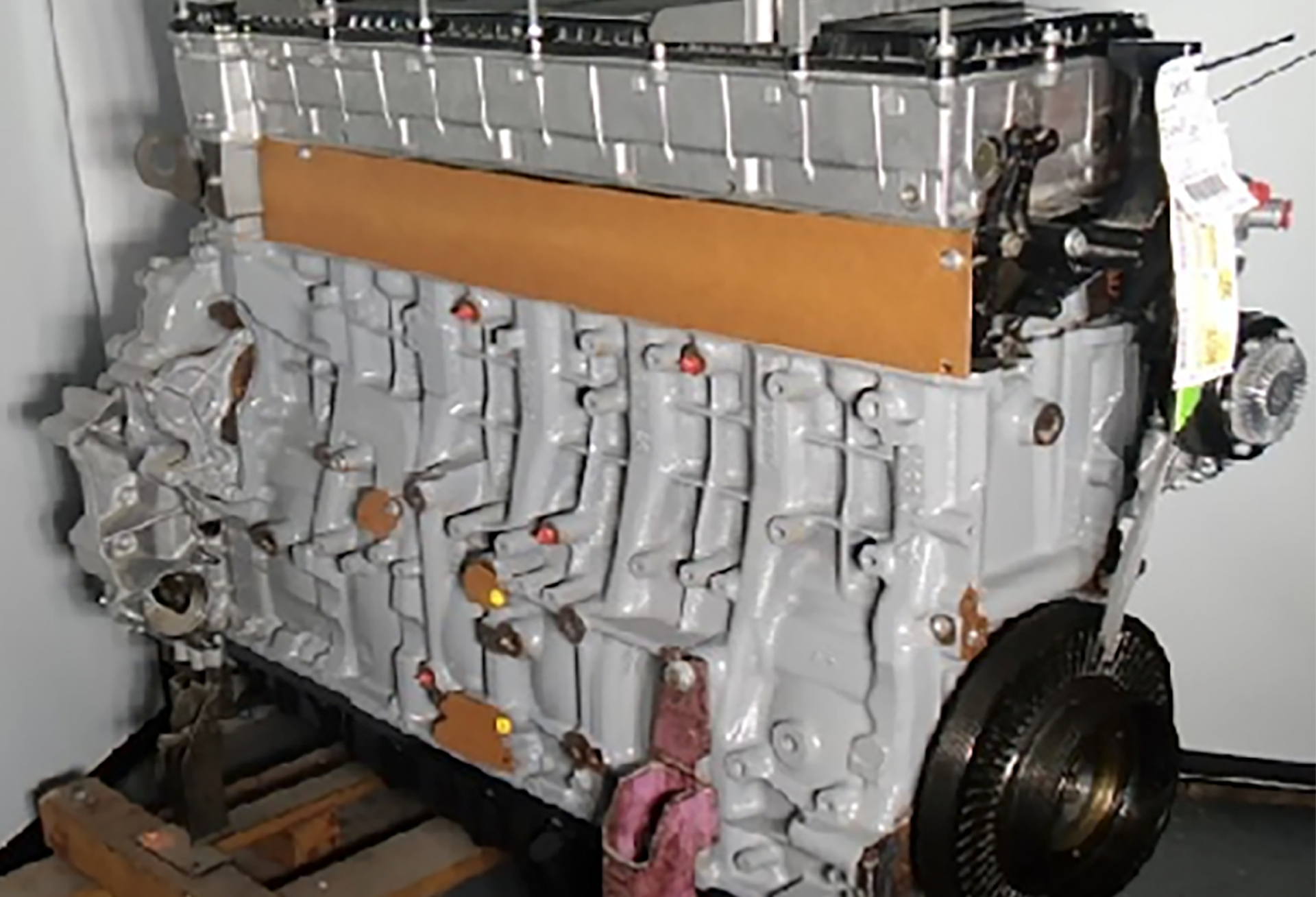
When an engine reaches the end of its service life, one of the biggest decisions fleets, owner-operators, repair shops, and equipment owners face is choosing between an OEM (Original Equipment) Long Block and a rebuilder long block.
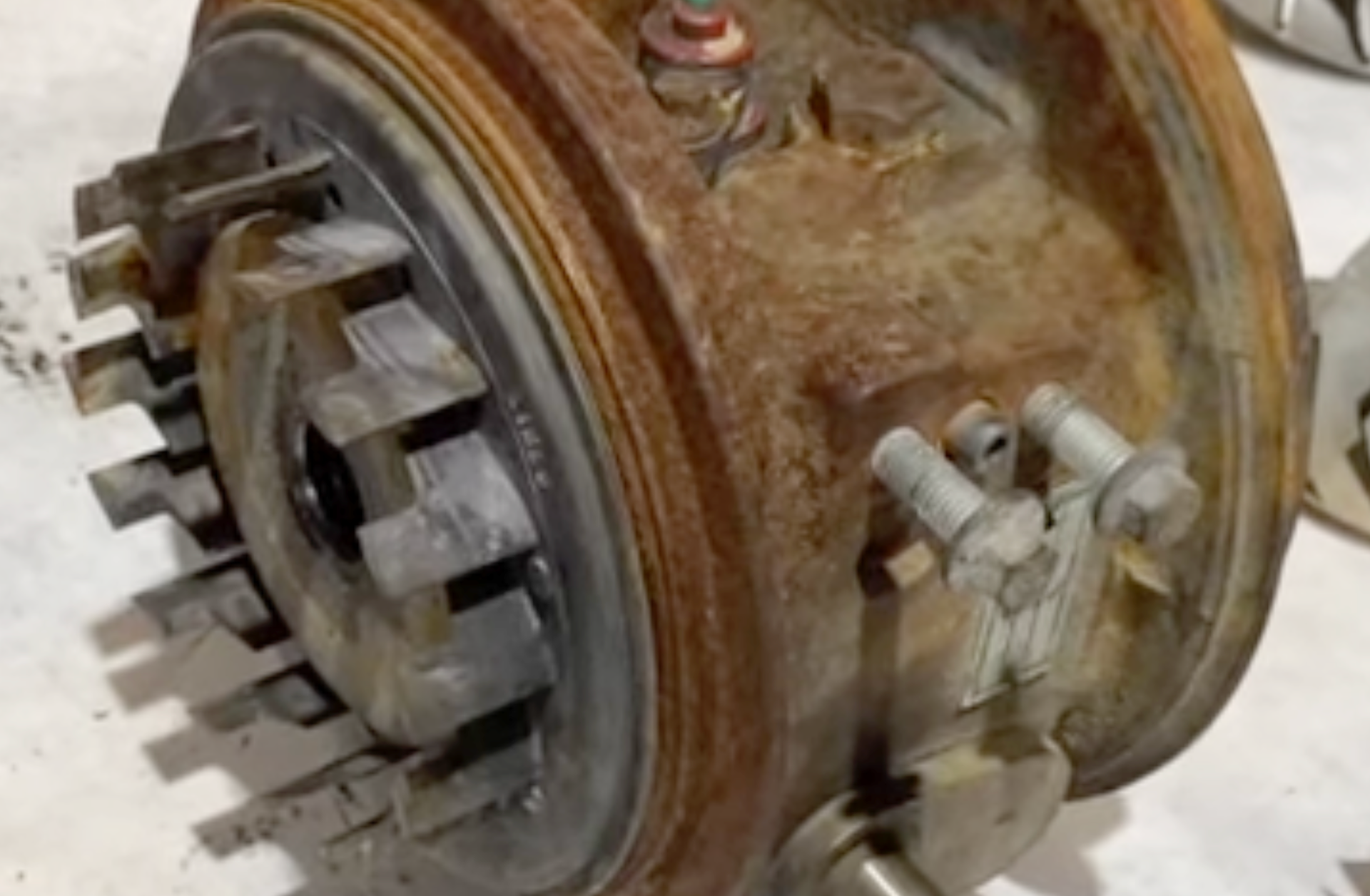
A failing Variable Geometry Turbocharger (VGT) doesn't always mean the turbo itself needs to be replaced.
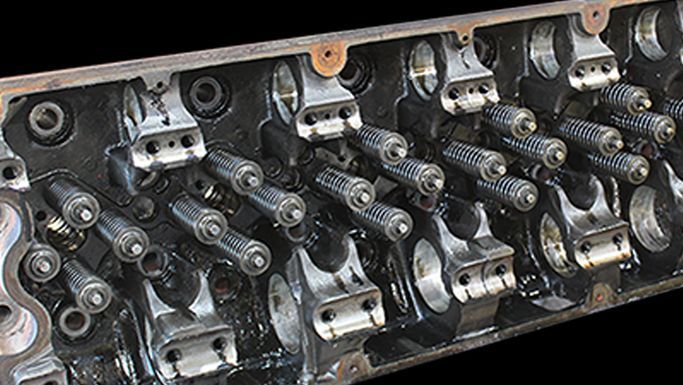
Why Cylinder Head Repairs Require Additional Component Inspection.
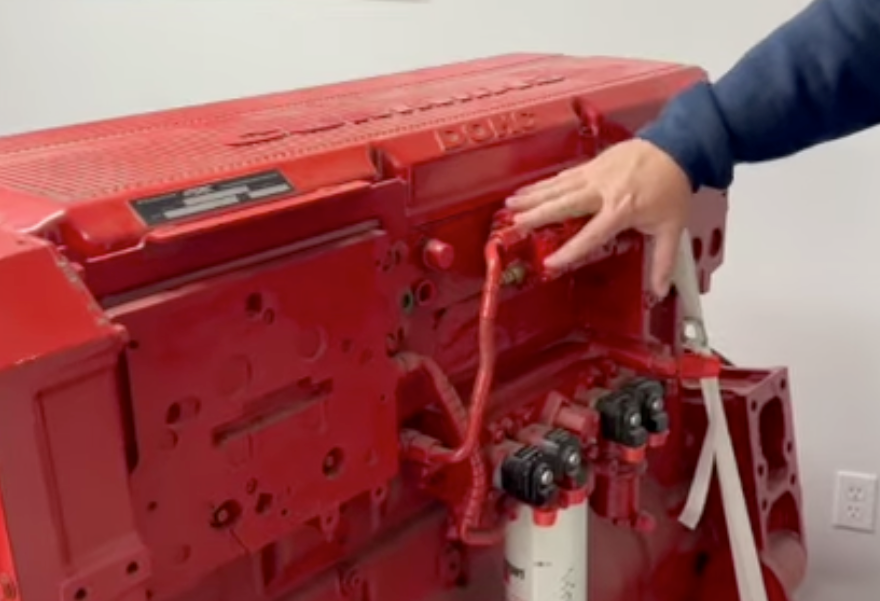
Here are some critical components to inspect or replace when installing a new long block engine to ensure optimal performance and longevity.
Here are eight reasons to partner with an experienced and trusted core buyer.
Here're some tips to extend the life of your heavy-duty truck parts to keep you truck on the road.
